الخرائط الخفيَّة الَّتي يرسمها النزوح
مجهولThe Invisible Maps Drawn by Displacement
Anonymous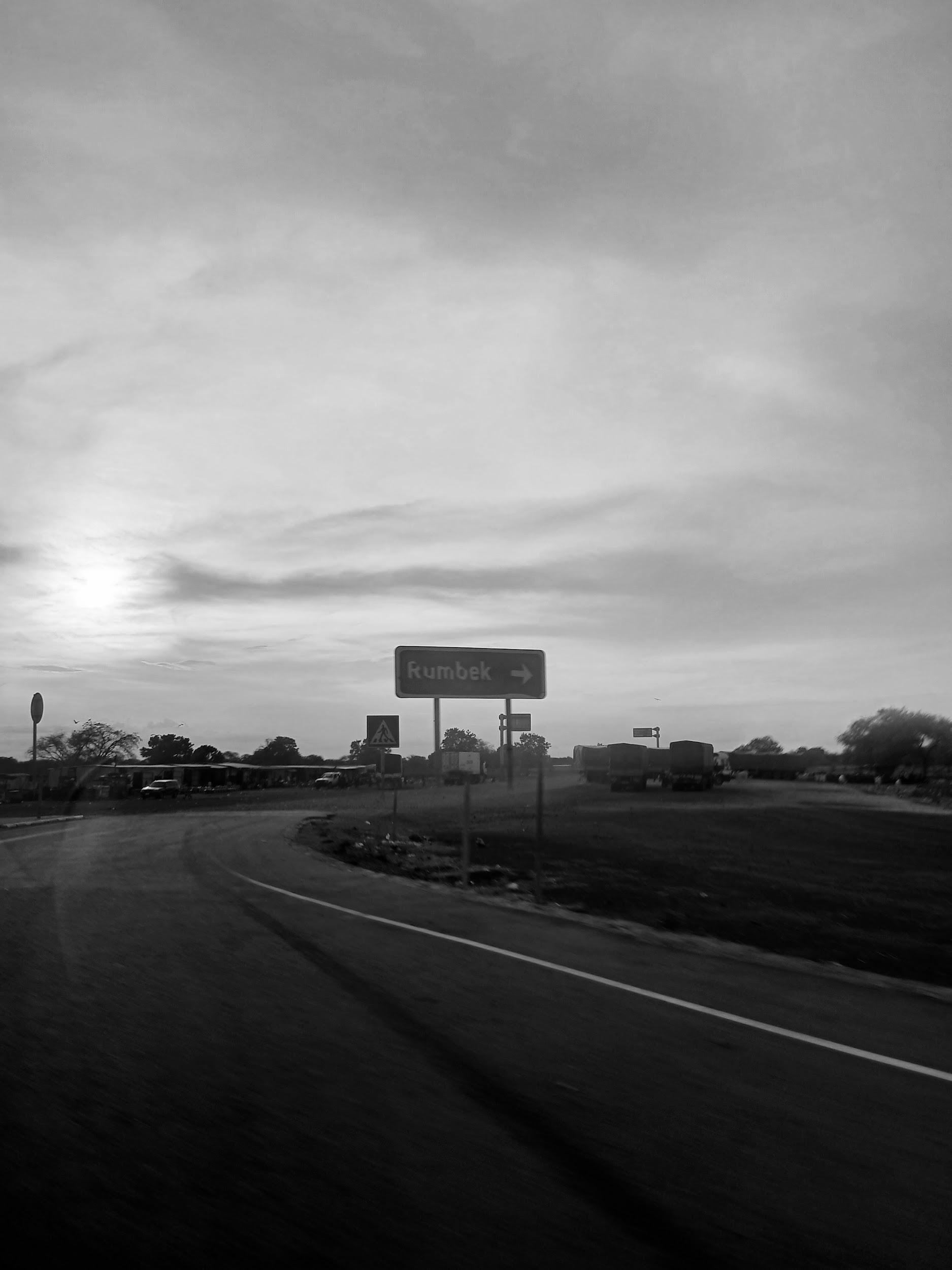
مقاطعة تِركيكا، الطريق المؤدي إلى مدينة رومبيك – جنوب السودان
Terkika County, the road leading to the city of Rumbek – South Sudan
الحدود كنقطة مركزية
The border as a central point
وحدهم في الحدود بين بلدين، في صالات الانتظار بالمطارات، في مكاتب الهجرة الدولية بحقائب كلما ارتحلوا ثقلت. وحدهم، في نقاط تبديل العملة، في مواقف البصَّات والموانئ البرية، في الموانئ البحرية أيضًا، في نقاط التفتيش والارتكازات، والاستجواب في «راكوبة» طرف الشارع العام، بصوت حفيف المال الَّذي لم يملكوه غالبًا ورائحة المال، بغبار السير على قدميهم من أثر المشي مسافات طويلة هربًا من الحرب، أقدامًا متعبة.
Alone at the borders between two countries. Alone in airport waiting halls, in international immigration offices, with bags that grow heavier each time they move. Alone at currency exchange points, at bus stations and land ports, at seaports too; at checkpoints and military posts; during interrogations under a rakuba on the edge of a main road—accompanied by the rustle of money they often did not have, the smell of money, the dust clinging to their feet from walking long distances to escape war. Exhausted feet.
وحدهم، بأوراقٍ ثبوتية بيضاء وأخرى كانت خضراء في ذلك الوقت، يطلبونها منهم وينصحهم صديق بألا يخرجوها، بجلوسهم قرب النافذة في حافلة عامة، بجلوسهم في طائرة بها عطل فني أيضًا بالقرب من النافذة، وشاهدوا عندها بكاء الغيوم مرة ثانية على الزجاج من علوٍّ شاهق، بالمياه المعدنية في قنينة بلاستيكية وأكياس البسكويت، بأكل الشارع والأكل المحلي لكل منطقة جديدة حلُّوا بها، بتجَّار العُملة الضجرين تحت الشمس، بالجلوس مطوَّلًا، ساعات، بثرثرة الراكبين، بامرأة جميلة مرت من أمامهم لمحوها من خلف الزجاج، بالَّذي تركوه خلفهم والَّذي هم ذاهبون إليه وكانوا أيضًا تركوه خلفهم، بالعبور، بالإقامة في العبور، بالأصدقاء والأصدقاء وحدهم والإقامة في بيوت الأصدقاء وبالإقامة أيضًا في الشوارع أيضًا، بإحداثياتهم الجغرافية الحالية في منطقة عبور ما، بعيدًا، بشكل المشاعر وزوالها الحتمي، وبكل ما عاشوه سلفًا بكثافة، حيث تلاشى كل ما ألفوه يومًا. وفي غياب أي إمكانية للاندماج مع ما وجدوه في مناطق العبور التي مكثوا فيها منذ أن بدأت الحرب في ثمانينات القرن الماضي جنوبًا وما أكثرها؛ خذ اللغة الجديدة في المكان مثلًا والثقافة والمجتمع الذي هم دخلاء عليه وحتى مفهوم البيت الذي لا ينفك أن يتغير بالتنقل السريع الذي يحدث قسريًا وعليهم مواكبته لا بل معايشته، بكل ذلك وغيره.
Alone with white identification papers, and others that were green at the time—documents they are asked for, and that a friend advises them not to take out. Sitting near the window on a public bus. Sitting, also near the window, on a plane with a technical malfunction. Watching the clouds cry once again against the glass from a great height. With bottled mineral water and packets of biscuits. With street food and the local food of every new place they pass through. With irritable currency traders under the sun. With long hours of waiting. With passengers’ idle chatter. With a beautiful woman who passed in front of them, erased from view by glass. With what they left behind—and what they are heading toward, which they had also already left behind. With crossing. With residing in crossing. With friends—and with friends alone. With staying in friends’ houses, and staying in the streets as well. With their current geographic coordinates in some transit zone. With distance. With emotions and their inevitable fading. With everything they had already lived intensely—where all that was once familiar dissolved. In the absence of any possibility of integration into what they found in the transit zones where they have remained since the war began in the South in the 1980s—and how many such zones there are. Take, for example, the new language of the place, the culture, the society into which they are intruders; even the concept of home, which never stops changing due to the forced rapid movement they must not only keep up with, but inhabit. With all of this, and more.
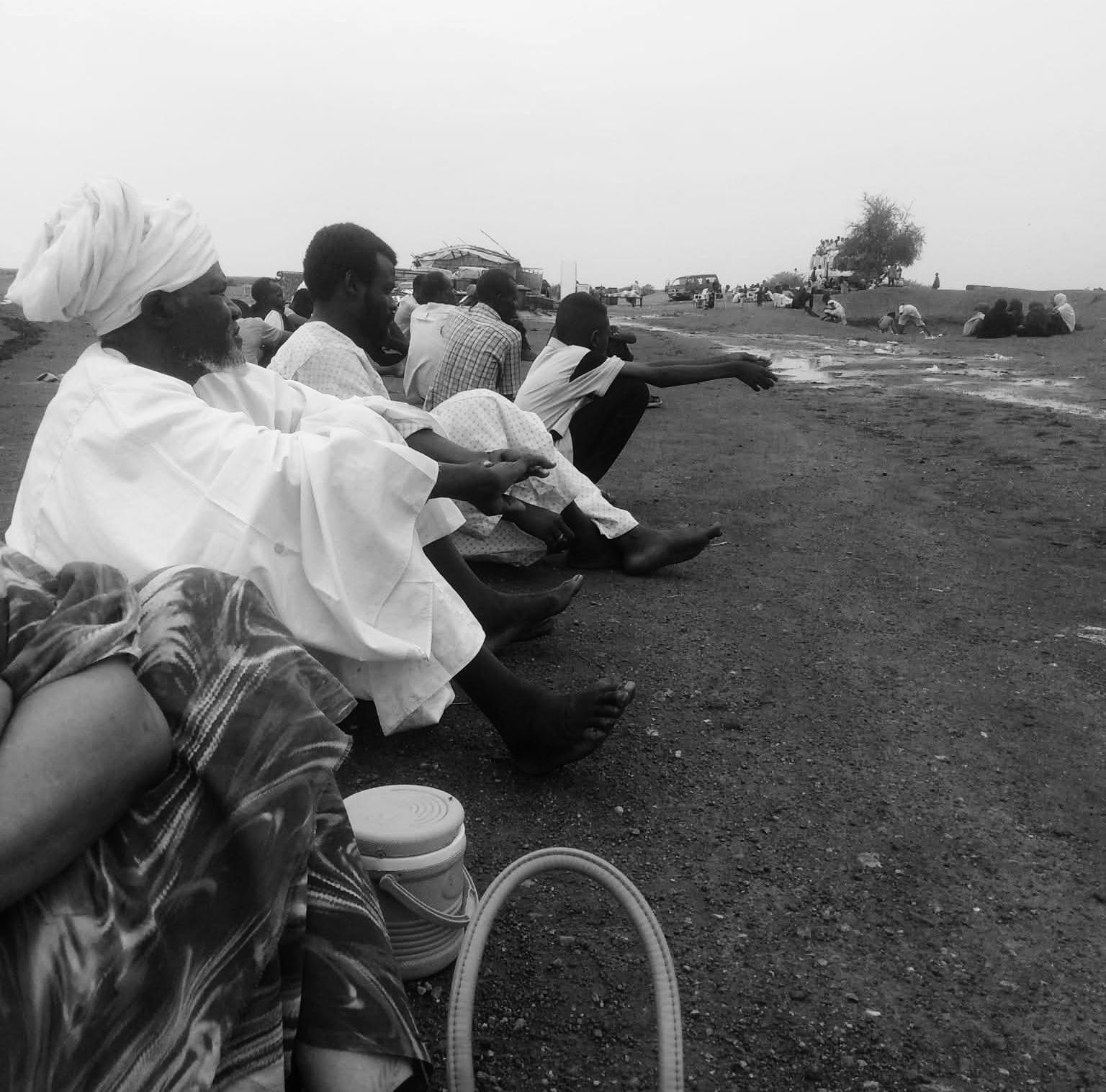
الحدود بين السودان وجنوب السودان، جودة الشمالية
The border between Sudan and South Sudan – Northern Joda
العبور: نقطة جغرافية وبيروقراطية وعاطفية
Crossing: a geographic, bureaucratic, and emotional point
أفكر في خرائط فارح، في فتىً من الأوغادين، عالمه في هيجان، هو بطريقة أخرى إنسان من أماكن كثيرة أخرى، عالمه في هيجان أسوأ. ربما سنكتب هكذا في أدبياتنا، لأن إعادة رسم الحدود، الذي ينتج عن التنقل المستمر بسبب النزاعات، وأسميه فعل المقاومة الجسدي برفض المكوث، وإعادة بناء الخرائط مرة تلو الأخرى، بالدم حتى، وبالتقسيم وبمجرد الرحيل، لا أعلم. لكن أحيانًا كثيرة، مثلما تقول أنجيلا ديفيس في مذكراتها، أتمنى أن يفهم الناس لماذا لا يكون لنا خيار سوى المقاومة، وأضيف الآن من عندي الرحيل حتى لو كان ليس من ورائه طائل.
I think of Farah’s maps. Of a boy from the Ogaden, his world in upheaval—who is, in another way, a human being from many other places. His world in even worse upheaval. Perhaps this is how we will write in our literature: because redrawing borders—produced by constant movement due to conflicts—is what I call an act of bodily resistance, a refusal to stay put. Rebuilding maps again and again, even with blood, through division and through departure alone. I don’t know. But often—just as Angela Davis says in her memoirs—I wish people would understand why we sometimes have no choice but resistance. And I add, now, from myself: departure, even when it leads nowhere.
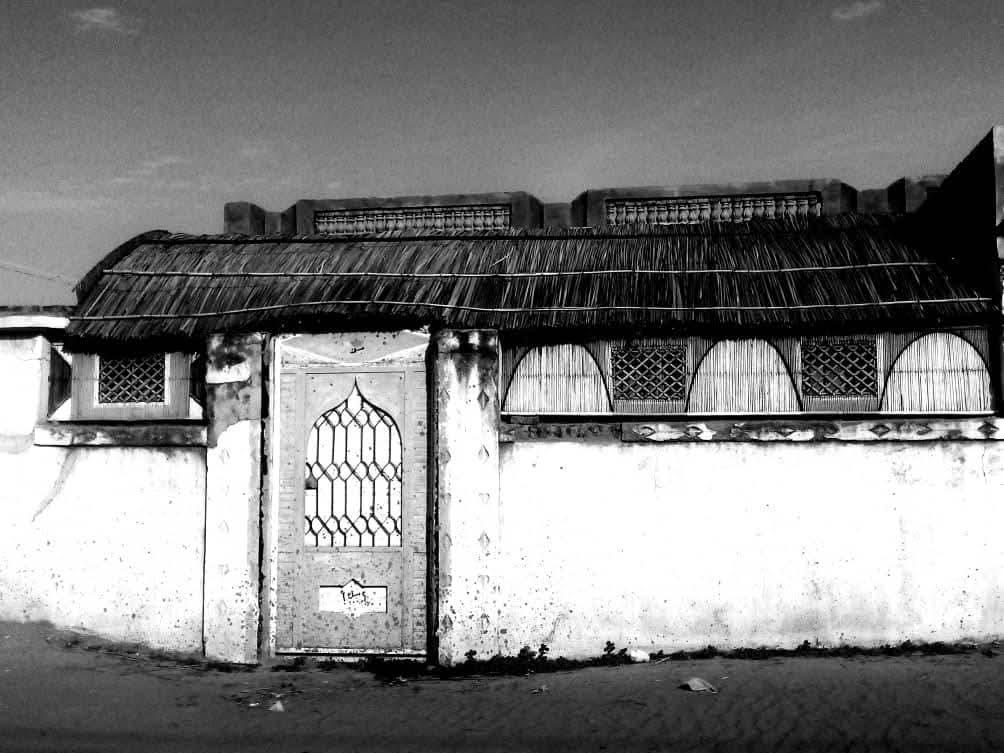
منزل في النيل الأبيض – مدينة كوستي
A house on the White Nile – the city of Kosti
مفهوم البيت بوصفه عابرًا ومهددًا باستمرار
The concept of home as transient and constantly under threat
صفيَّة جدَّة أمي امرأة من جنوب السودان، تزوَّجت رجلًا من شمال السودان قديمًا في أواخر ستينيات القرن الماضي بعد الاستقلال، كان يعمل في خطوط السكة حديد جنوب البلاد، أنجبت منه خمسة بنات وولد واحد. في الثمانينات عندما اندلعت حربًا أخرى في الجنوب اضطروا للنزوح بسبب لونهم، حيث في ذلك الوقت وتلك الحرب تُقتل نسبة للسانك ولونك.
Safiyya, my mother’s grandmother, was a woman from South Sudan. She married a man from northern Sudan long ago, in the late 1960s after independence. He worked on the southern railway lines. She bore him five daughters and one son. In the 1980s, when another war broke out in the South, they were forced to flee because of their skin color—at that time, in that war, you were killed based on your tongue and your color.
نزحوا تاركين منازلهم وأراضيهم في بحر الغزال ناحية النيل الأبيض، ومكثوا فترات بين الرنك الواقعة شمال جنوب السودان حاليًا والنيل الأبيض مدينة كنانة واستقروا لاحقًا في منطقة السامراب في العاصمة الخرطوم.
They fled, leaving their homes and lands in Bahr el Ghazal toward the White Nile. They spent periods between Renk—now north of South Sudan—and the White Nile, in the city of Kenana, before eventually settling in Samerab, in the capital Khartoum.
فتيات أعمارهم لم تتجاوز العاشرة نزحوا يومها، ولم يعودوا أدراجهم حتى طالتهم حرب الخامس عشر من أبريل العام ٢٠٢٣ وهم في أرذل العمر. أعاد التاريخ سيرته مرة أخرى بعد قرابة أربعة عقود، لينزحوا هذه المرة إلى أقصى الشمال ويموتوا في الطريق بسبب المرض في العام ٢٠٢٤.
Girls no older than ten fled that day. They never returned. Then the war of April 15, 2023 reached them in their old age. History replayed itself nearly four decades later. This time, they fled to the far north and died on the road from illness in 2024.
سمعت هذه القصة بكل تفاصيلها أثناء نزوحنا أنا وأمي وأخواتي عندما اندلعت الحرب في الخرطوم. أبي بدوره لديه قصة نزوح مشابهة من غرب البلاد عندما اندلعت الحرب الكبيرة في العام ٢٠٠٣.
I heard this story in all its details during our own displacement—my mother, my sisters, and me—when the war erupted in Khartoum. My father, in turn, has a similar story of displacement from western Sudan when the great war broke out in 2003.
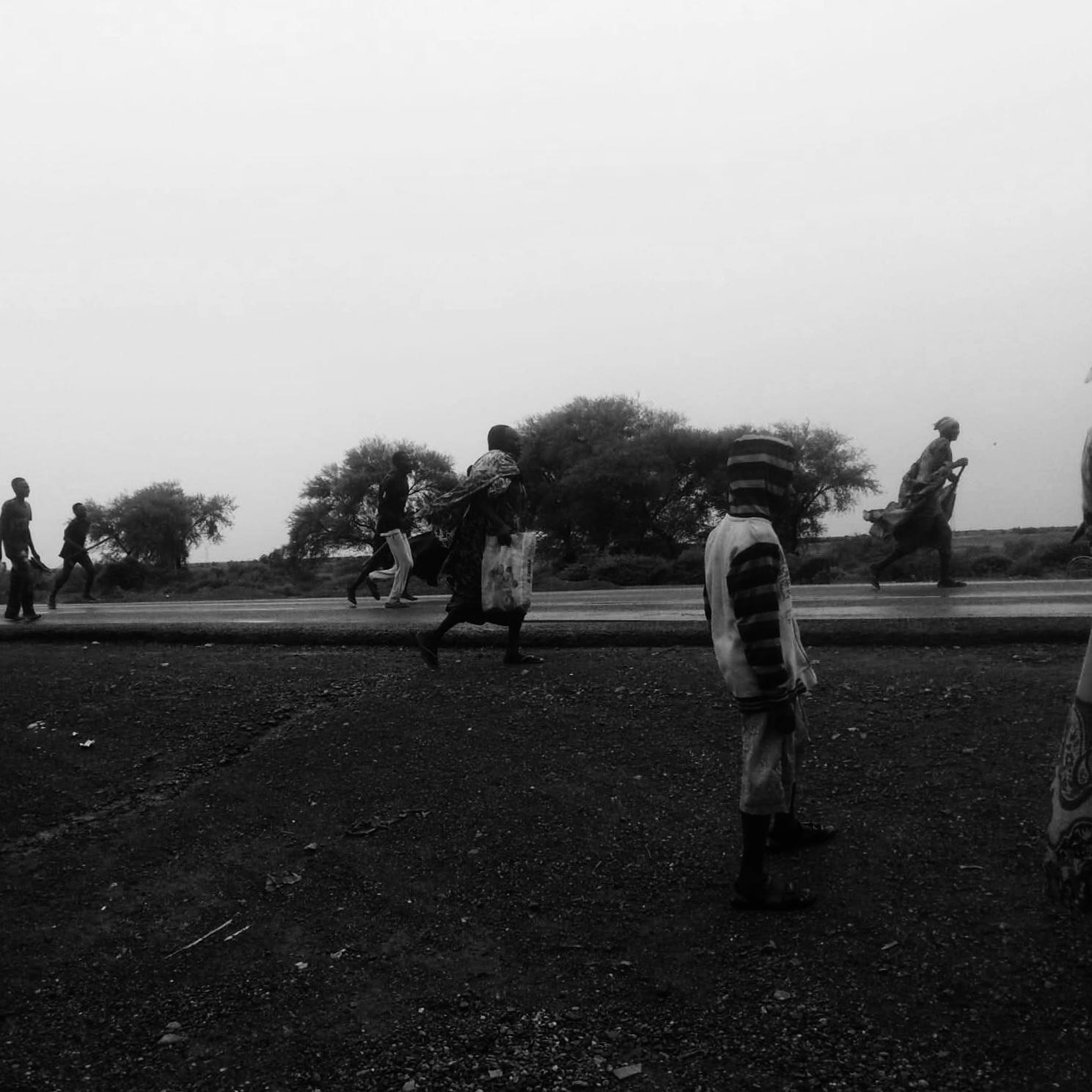
الحوطيَّة – النيل الأبيض، أثناء رحلة النزوح التي شملتني وإخوتي
Al-Hawtiya – White Nile, during the displacement journey that included me and my siblings
التاريخ الذي يعيد نفسه
History repeating itself
يبدو أن السوداني من غرب البلاد وجنوبه قبل الانفصال في العام ٢٠١١ لديه قصة نزوح ورحيل دائم منذ الاستقلال. غربًا كان النزوح القسري أحيانًا بسبب الجفاف أو شح الموارد، عندما تقسو الطبيعة على سكَّان المنطقة من المزارعين والرواعيَّة.
It seems that Sudanese people from the West and the South, before the 2011 secession, have carried a story of displacement and perpetual departure since independence. In the West, forced displacement was sometimes due to drought or scarcity of resources—when nature turns harsh against the region’s farmers and pastoralists.
اليوم نعيش نحن، جيلًا ثالثًا في الأسرة، نفس قصة النزوح وأسبابها. جعلني هذا أفكر وأنا في رحلات نزوحي على مدى العامين المنصرمين في العيش بين الحدود بوصفه حالة وجودية أكثر من كونه ظرفًا مؤقتًا، عن الحدود كنقطة مركزية، جغرافية وبيروقراطية وعاطفية، وفي مفهوم البيت بوصفه عابرًا ومهددًا باستمرار.
Today, we are living—third generation in the family—the same story of displacement, for the same reasons. This made me think, during my displacement journeys over the past two years, about living between borders as an existential condition rather than a temporary circumstance. About borders as a central point—geographic, bureaucratic, and emotional. And about home as something transient and constantly threatened.
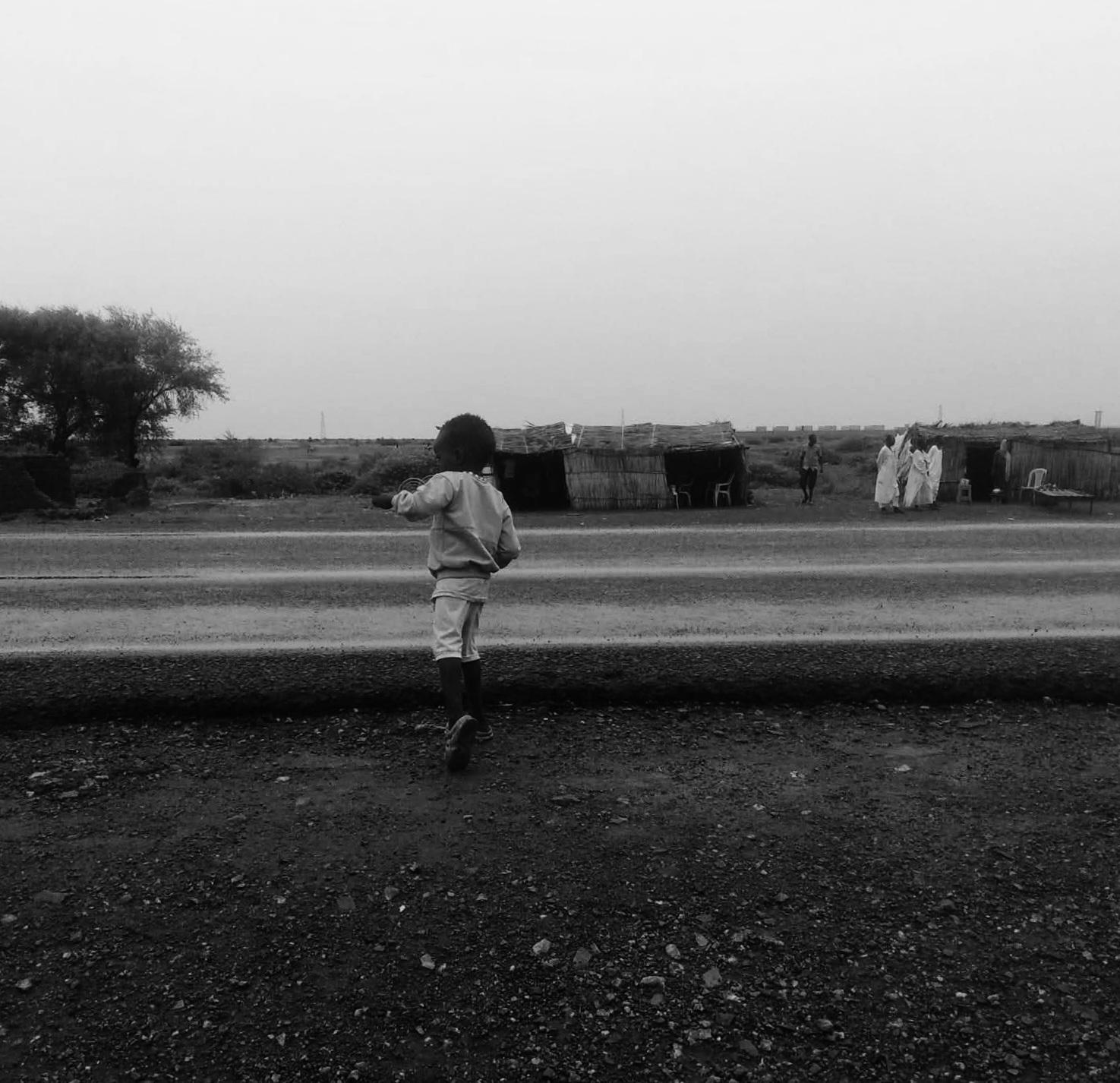
على الطريق
On the road
تتبّع الخرائط الخفيَّة التي يرسمها النزوح والمنفى، والتصدُّع الذي يحدث نتيجة للتصادم مع البيروقراطية والعنصرية والاغتراب الثقافي يسمح بإنتاج صورة شفافة عن البُعد الكوزموبوليتي القسري الجديد للاجئين والنازحين داخليًا وحتى للمنفيين عمومًا بطريق أخرى وأسباب كثيرة مختلفة.
Tracing the hidden maps drawn by displacement and exile—and the fractures produced by collisions with bureaucracy, racism, and cultural alienation—allows for the emergence of a transparent image of a new, forced cosmopolitan dimension of refugees, internally displaced persons, and exiles in general, through other paths and for many different reasons.
على الطريق، كل خطوة تصبح جزءًا من خريطة غير مرسومة، خرائط لا توجد على أي بوستر أو أي تطبيق ملاحي، خرائط ترسمها أقدامًا مثقلة بالهجرة والفقدان وبصمات الموت والرحيل. تُرى وجوهًا تتكرر في كل محطة، وجوه حكاياتها لا تقل عن حكايتنا ألمًا، وجوه تنظر إليك وكأنها تسأل عن سبب وجودك في هذا المكان المؤقت، عن سبب تعلقك بمكان لا يملكك، لا يرحمك، ولا يعرف عنك شيئًا سوى لونك، لغتك، أو تاريخك العابر.
On the road, every step becomes part of an uncharted map—maps that appear on no poster and no navigation app. Maps drawn by feet burdened with migration and loss, with the imprints of death and departure. Faces reappear at every stop—faces whose stories are no less painful than ours. Faces that look at you as if asking why you are in this temporary place, why you cling to a place that does not own you, does not show mercy to you, and knows nothing about you except your color, your language, or your fleeting history.
المكوث في الطريق يعلمنا أن النزوح ليس مجرد حركة جسدية، بل حركة للوعي، حركة للذاكرة، حركة للأحلام الصغيرة التي تتكسر أمام كل حاجز، كل معبر، كل نقطة تفتيش. الحدود ليست خطوطًا على الخرائط الرسمية فقط، بل هي خطوط في الجسد، في الكلام، في النظرات، في الأشياء التي نحملها معنا أو نتركها خلفنا.
Remaining on the road teaches us that displacement is not merely physical movement, but movement of consciousness, of memory, of small dreams that shatter at every barrier, every crossing, every checkpoint. Borders are not just lines on official maps; they are lines in the body, in speech, in gazes, in the things we carry with us—or leave behind.
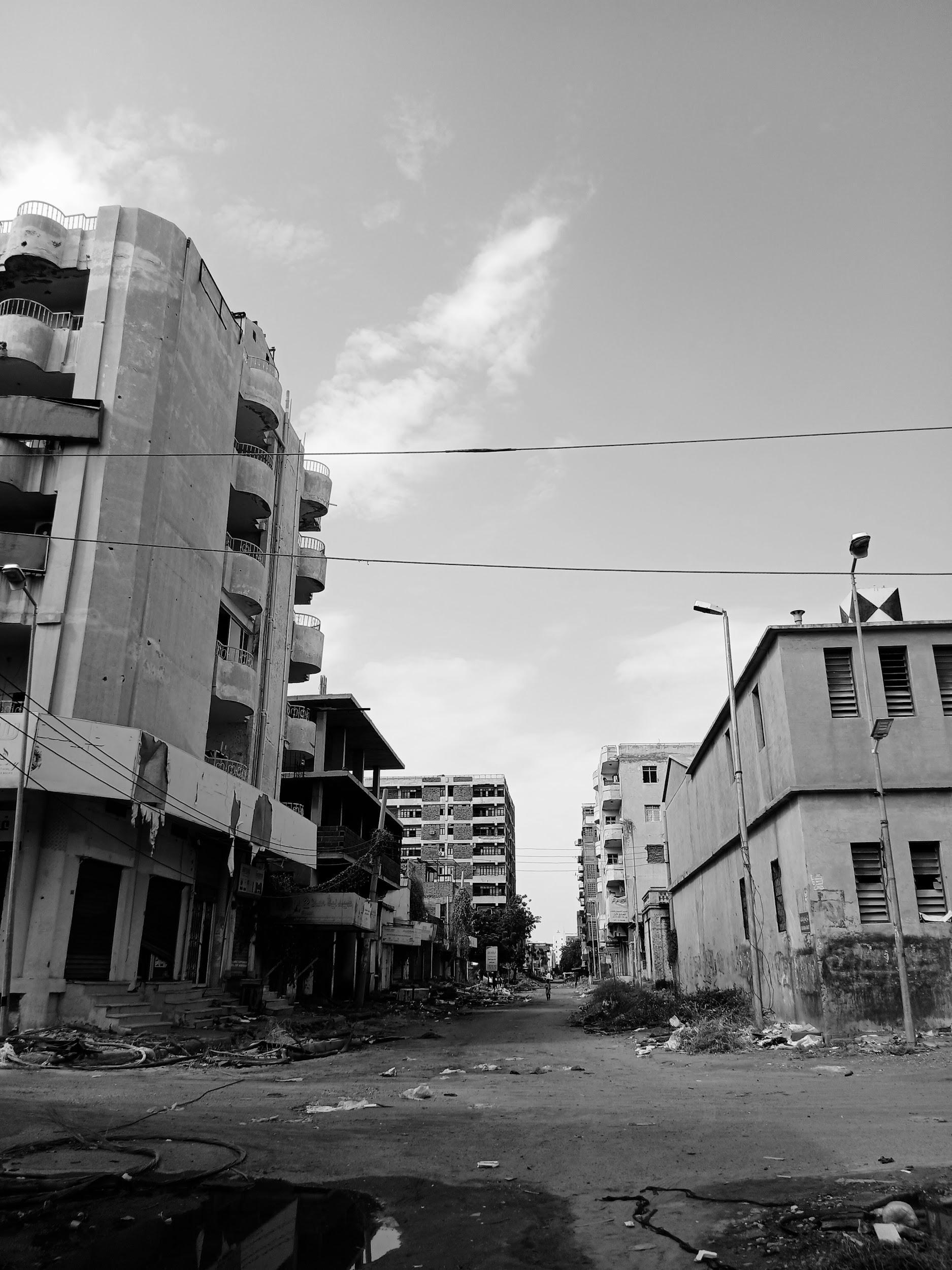
شارع متفرع من شارع سيد عبدالرحمن – الخرطوم
A side street off Sayyid Abdelrahman Street – Khartoum
إعادة رسم الخرائط
Redrawing the maps
أحيانًا، أجد نفسي أكتب على الورق الخرائط التي لا يستطيع أحد قراءتها: أين جلسنا لليلة واحدة، أين نامت أمي وأخوتي على الأرض، أين بكيت تحت المطر، أين شاهدت الغيوم تتغير أمام نافذة الطائرة. كل شيء له إحداثياته الخاصة في ذاكرتنا، لكن لا أحد يمنحك ورقة أو ختمًا لتثبت أنك عشت هنا، وأنك تنتمي ولو مؤقتًا، ولو بطريقة عابرة، إلى هذا المكان الجديد.
Sometimes, I find myself writing on paper the maps no one can read: where we sat for a single night; where my mother and siblings slept on the ground; where I cried in the rain; where I watched the clouds change from an airplane window. Everything has its own coordinates in our memory, but no one gives you a paper or a stamp to prove that you lived here—that you belonged, even temporarily, even fleetingly, to this new place.
في الغربة والنزوح، نتعلم لغة جديدة، عادات جديدة، ونعيد تعريف الصداقة والحب والانتماء. كل شخص قابلته على الطريق يصبح جزءًا من تلك الخرائط، أحيانًا بدون أن نعرف أسماؤهم، أحيانًا بأسماء نخلدها في الذاكرة بدلًا من الخرائط الرسمية.
In exile and displacement, we learn a new language, new customs, and we redefine friendship, love, and belonging. Every person met on the road becomes part of those maps—sometimes without knowing their names, sometimes with names we preserve in memory instead of official cartography.
الخرائط الخفية التي يرسمها النزوح ليست فقط عن الجغرافيا، بل عن التاريخ الذي يعيد نفسه، عن الجروح القديمة التي تتجدد، عن الحنين الذي لا يختفي أبدًا، وعن الإصرار على العيش رغم كل الحدود المرسومة بالدم، بالبيروقراطية، وبصمت العالم.
The hidden maps drawn by displacement are not only about geography, but about history repeating itself; about old wounds reopening; about longing that never disappears; and about insistence on living despite all borders drawn in blood, bureaucracy, and the world’s silence.
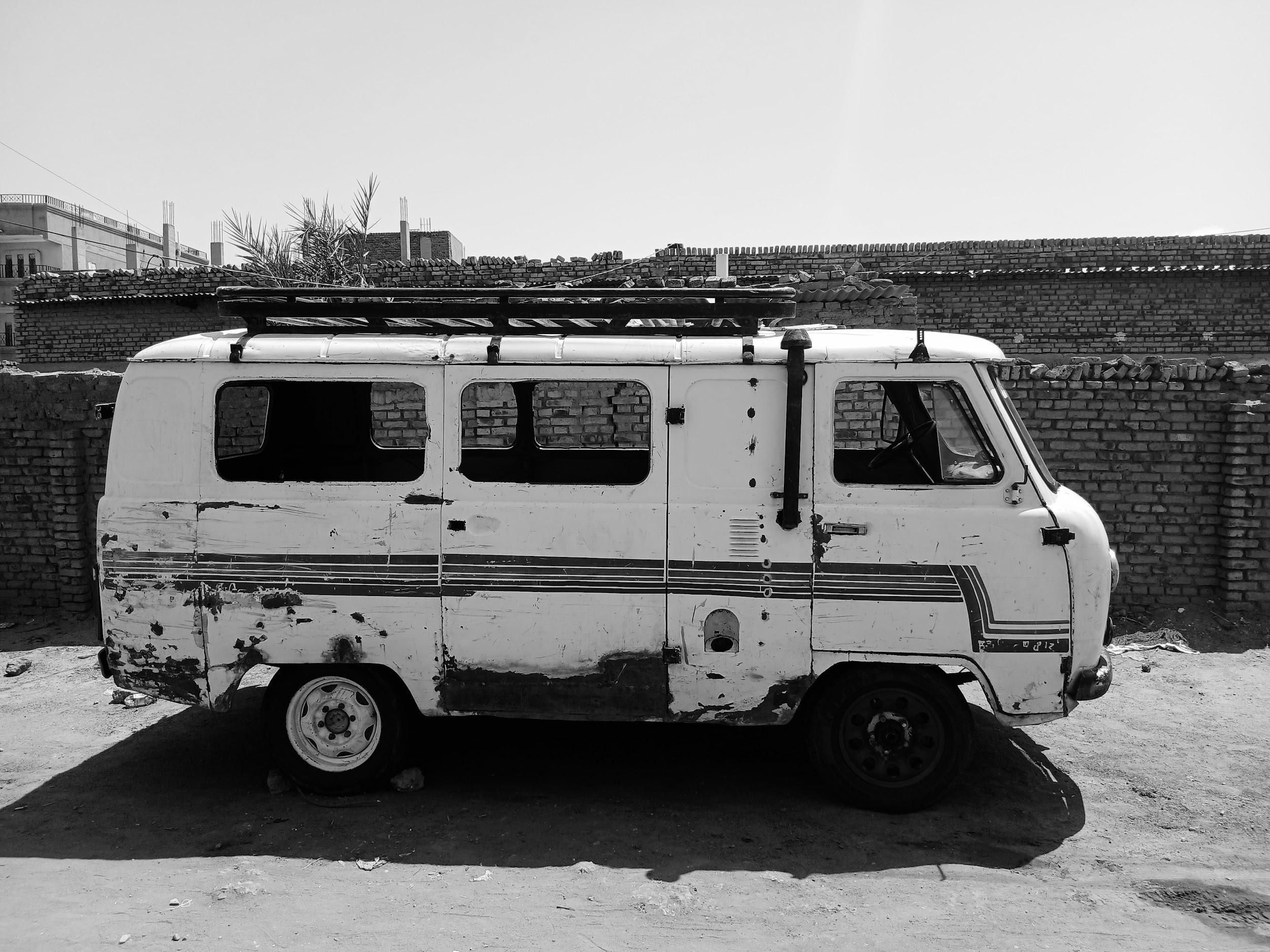
سيارة على الطريق
A car on the road
ما يتبقى في النهاية
What remains at the end
في النهاية، كل نزوح، كل رحلة، كل عبور، كل فقدان، كل وصول مؤقت، هو إعادة رسم الخرائط – خريطة الجسد، خريطة الذاكرة، خريطة القلب، خريطة المكان الذي نسميه «بيتًا» حتى لو لم يكن سوى محطة مؤقتة على الطريق الطويل الذي لا ينتهي.
In the end, every displacement, every journey, every crossing, every loss, every temporary arrival is a redrawing of maps—the map of the body, the map of memory, the map of the heart, the map of the place we call “home,” even if it is only a temporary station on a long road with no end.
في هذه المدن، تتبدل حواسنا: نسمع صدى المدن القديمة في طرقاتها الجديدة، ونشم رائحة الأماكن التي لم نعد نملكها، ونلمس ملمس الماضي في كل واجهة محل، في كل شجرة صغيرة على الرصيف، في كل باب مغلق أمامنا. الحياة اليومية على الحدود ليست مجرد روتين، بل امتحان مستمر للوعي والصبر، لكل شيء: انتظار الباصات، الانتظار في المصارف، الانتظار في المخابز، وحتى انتظار الابتسامة من شخص غريب قد يصبح صديقًا مؤقتًا، أو مجرد وجه يلتقطه ذهنك ويختفي.
In these cities, our senses change: we hear echoes of old cities in new streets; we smell places we no longer own; we touch the texture of the past in every storefront, every small tree on the sidewalk, every door closed in our faces. Daily life on the border is not mere routine, but a continuous test of awareness and patience—for everything: waiting for buses, waiting in banks, waiting at bakeries, even waiting for a smile from a stranger who might become a temporary friend, or just a face the mind captures and then loses.
أما البيت هنا، في هذه المدن، فهو أقل ما يكون مألوفًا، وربما أقل ما يكون ثابتًا. هو كرسي قديم في زاوية مطبخ، نافذة تطل على شارع مزدحم، أو مجرد غرفة ضيقة تؤوي أشياءنا القليلة. البيت ليس مكانًا، بل شعورًا بالاحتواء المؤقت، شعور بأن هناك مكانًا يمكن أن نترك فيه جزءًا من أنفسنا، حتى لو كنا على وشك الرحيل.
Home here, in these cities, is the least familiar thing, perhaps the least stable. It may be an old chair in a kitchen corner, a window overlooking a crowded street, or a narrow room sheltering our few belongings. Home is not a place, but a feeling of temporary containment—the feeling that there is somewhere we can leave a piece of ourselves, even as we are about to leave.
وهكذا، الحياة اليومية على الحدود تعلمنا أن الانتماء ليس حقًا مكتسبًا، بل ممارسة مستمرة، وأن خريطة الوجود التي نرسمها نحن النازحون واللاجئون تختلف عن كل خرائط الآخرين، لأنها تتشكل من فقدان، من انتظار، من غربة، ومن أصغر لحظة من الهدوء وسط الفوضى.
And so, daily life on the borders teaches us that belonging is not an acquired right, but a continuous practice—and that the map of existence we draw as displaced people and refugees differs from all others, because it is shaped by loss, by waiting, by estrangement, and by the smallest moment of calm amid chaos.
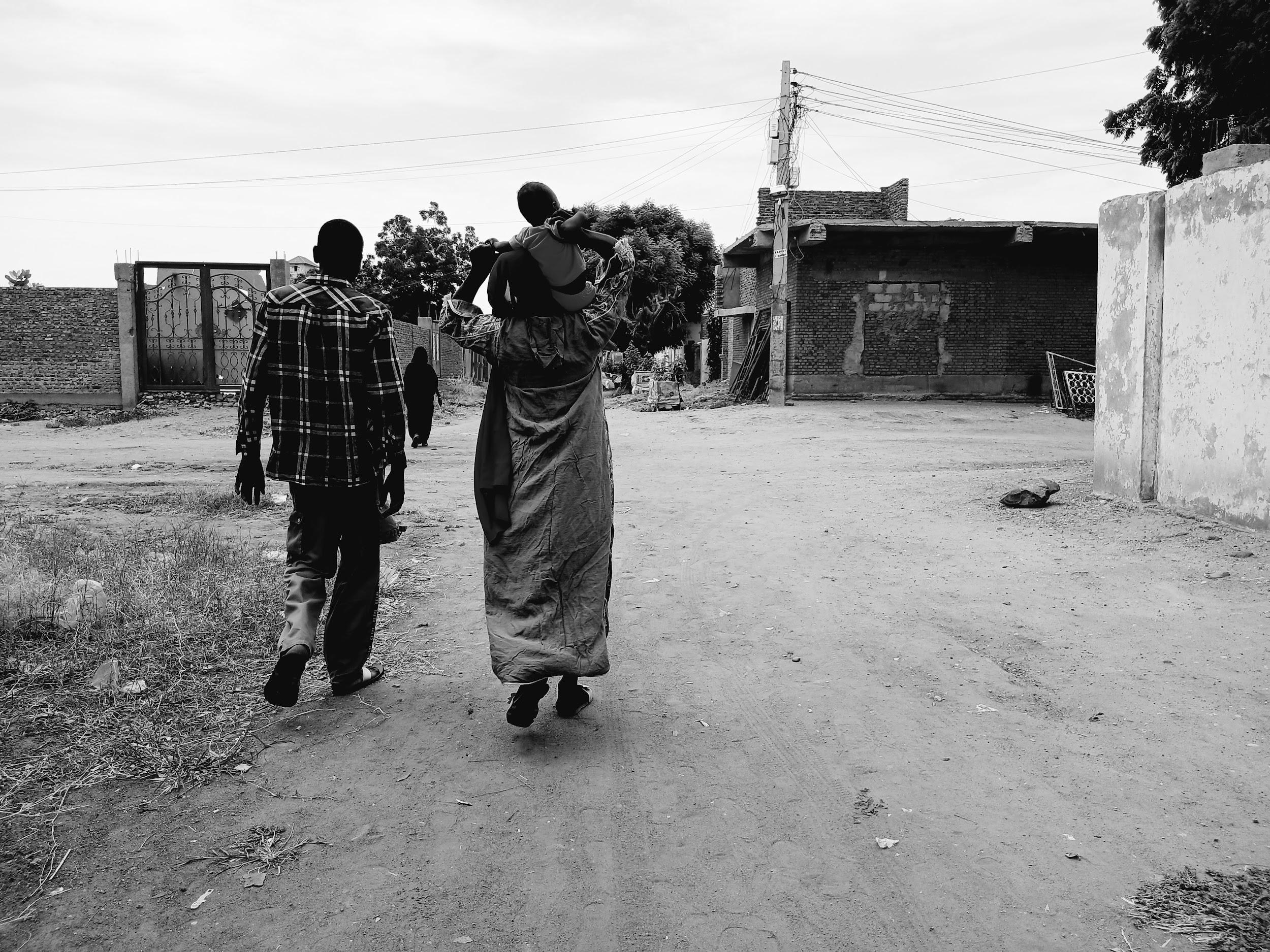
أفراد من الجيل الثالث في أسرة صفيَّة
Members of the third generation in Safiyya’s family